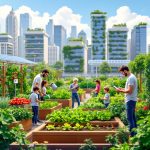
Smart cities are becoming more efficient and sustainable through the integration of technology into agricultural practices. In these cities, various technological solutions are used to optimize agricultural processes. Sensors, data analytics, and automation systems facilitate the management of agricultural lands, saving water and energy. These applications not only increase the efficiency of urban agricultural areas but also ensure food security. Agriculture in smart cities supports environmental sustainability while providing fresh and healthy food to urban residents.
Sensor Technologies and Data Analytics
In smart agricultural applications, sensor technologies are used to determine the amount of water, nutrients, and light that plants need. Soil moisture sensors prevent water waste by determining when irrigation systems should be activated. Additionally, weather sensors help farmers make timely decisions by monitoring climate conditions. Analyzing this data makes agricultural processes more efficient. For example, data analytics can identify which plants grow better under specific conditions, and this information can be used to develop agricultural strategies.
Smart Irrigation Systems
Smart irrigation systems prevent waste by providing the right amount of water at the right time. These systems typically operate automatically and irrigate based on data from sensors. For instance, drip irrigation systems save water by delivering it directly to plant roots. Such systems offer a significant advantage, especially in areas with limited water resources. Smart irrigation increases agricultural productivity while helping to conserve water resources.
Urban Agriculture Applications
In smart cities, urban agriculture applications are also becoming increasingly common. Vertical farming, hydroponic, and aeroponic systems allow for high yields even in limited spaces. These methods can be implemented on rooftops or in vacant areas of buildings in cities. Urban agriculture localizes food production, allowing fresh food to reach consumers more quickly. Additionally, these applications contribute to environmental sustainability by reducing the carbon footprint of cities.
Future Agricultural Applications
Agricultural applications in smart cities will continue to evolve, transforming the agricultural sector. The integration of technologies such as artificial intelligence and machine learning will further optimize agricultural processes. These technologies provide farmers with better forecasting and more effective decision-making capabilities. Agriculture in smart cities not only increases food production but also enhances the quality of life in urban areas. Therefore, the widespread adoption of smart agricultural practices will be a critical step toward a sustainable future.